Bill Gates Says He Would Rather Fund Vaccines Than Send Humans to Mars
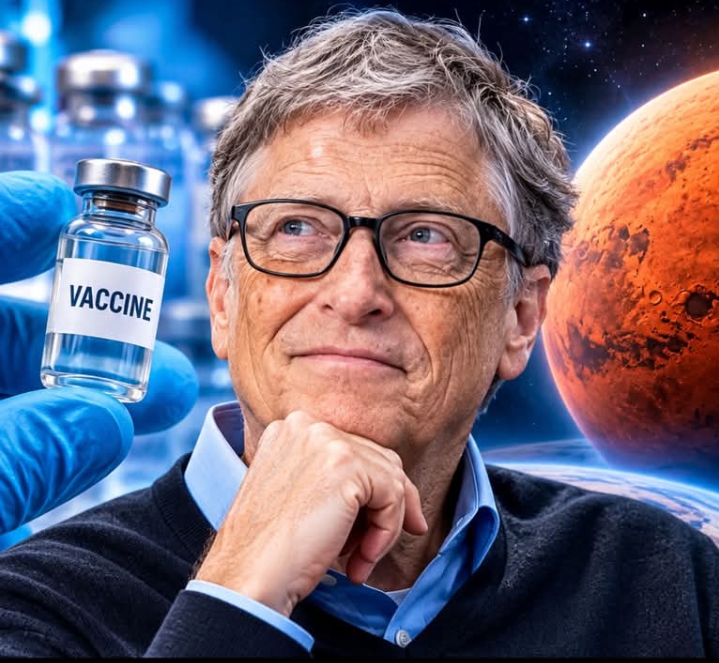
Microsoft co-founder and billionaire philanthropist Bill Gates has said he would rather invest money in life-saving vaccines than spend billions of dollars on space travel and missions to Mars.

Gates made the remarks during a February 2023 interview with the BBC, where he questioned whether sending humans to Mars represents the best use of enormous financial resources when preventable diseases continue to claim lives across the world.

According to Gates, the cost of space exploration could instead support public health interventions capable of saving millions of lives.
“It’s actually quite expensive to go to Mars. You can buy measles vaccines and save lives for $1,000 per life saved,” Gates said.

His position reflects his longstanding commitment to global health, particularly efforts to combat preventable diseases, improve vaccination coverage and tackle malnutrition.
Gates, whose philanthropic activities are largely channelled through the Bill & Melinda Gates Foundation, has consistently supported investments in vaccines, disease prevention and healthcare innovation.
His comments also highlight a difference in priorities among some of the world’s wealthiest technology entrepreneurs.
While SpaceX founder Elon Musk has championed human exploration of Mars and the possibility of establishing human settlements beyond Earth, Gates believes addressing urgent challenges on our planet deserves greater attention.
However, the debate is not necessarily a choice between investing in Earth and exploring space.
Supporters of space exploration argue that scientific discoveries, technological innovation and research developed through space programmes can generate benefits for humanity, including improvements in communications, scientific research and environmental monitoring.
The discussion therefore raises an important question about how governments, billionaires and private institutions should allocate resources between immediate human needs and long-term scientific ambitions.
For developing countries such as Nigeria, where access to quality healthcare, vaccination and essential medical services remains an important public policy concern, the debate also has significant implications.
Should humanity concentrate more resources on improving lives on Earth before pursuing ambitious missions to other planets, or can both priorities advance together?
NewsMediang.com asks: Where should the world’s priorities lie — Earth, space or both?